Why a Columbia solar array loses output quietly, not dramatically
There is no single dramatic moment when a Columbia solar array stops producing. What happens instead is that the panels sit under the same Midlands air that keeps the rest of the town damp and coated, and month by month the glass films over until the array is running a few points behind where it started without anyone noticing. The loss is real - studies and field work in the Midlands put the cost of a neglected coating in the double-digit percentage range during the worst stretches - but because it builds gradually, the most common way a Columbia homeowner finds out is the monthly net-metering readout, not a sudden failure. The panels still work. They just quietly make less than they should.
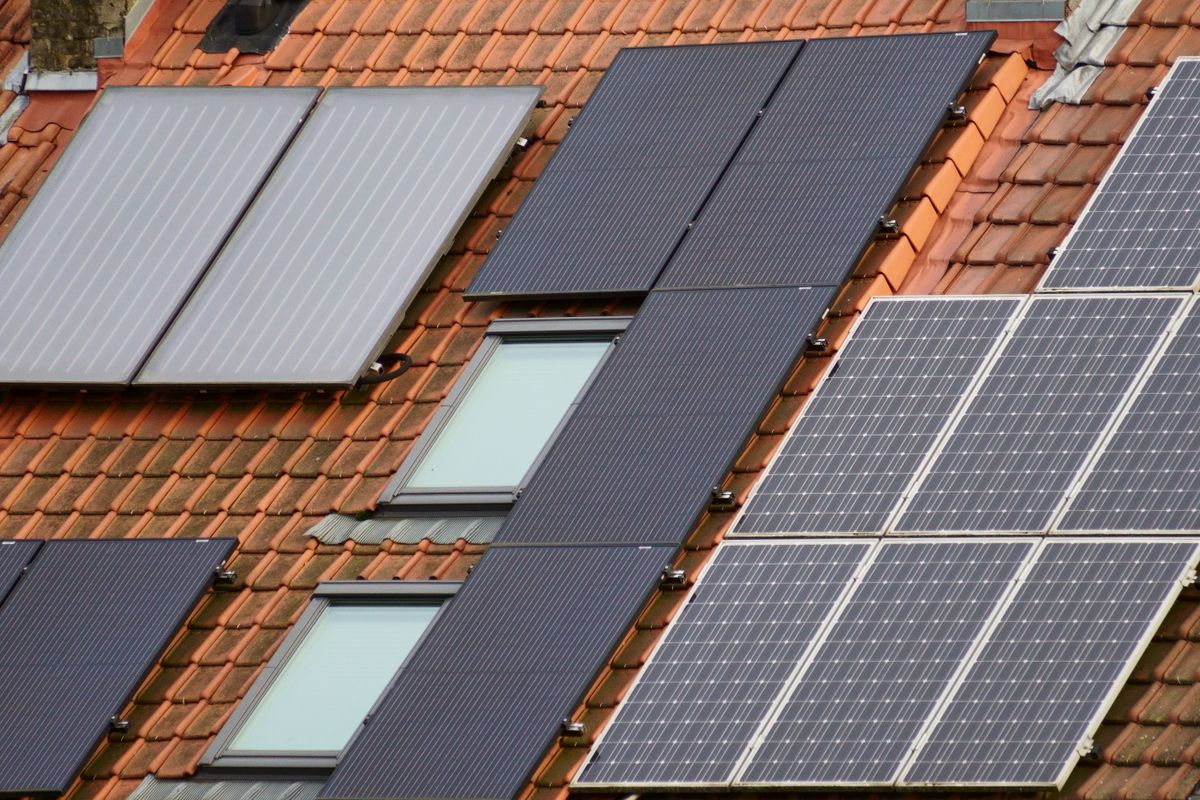
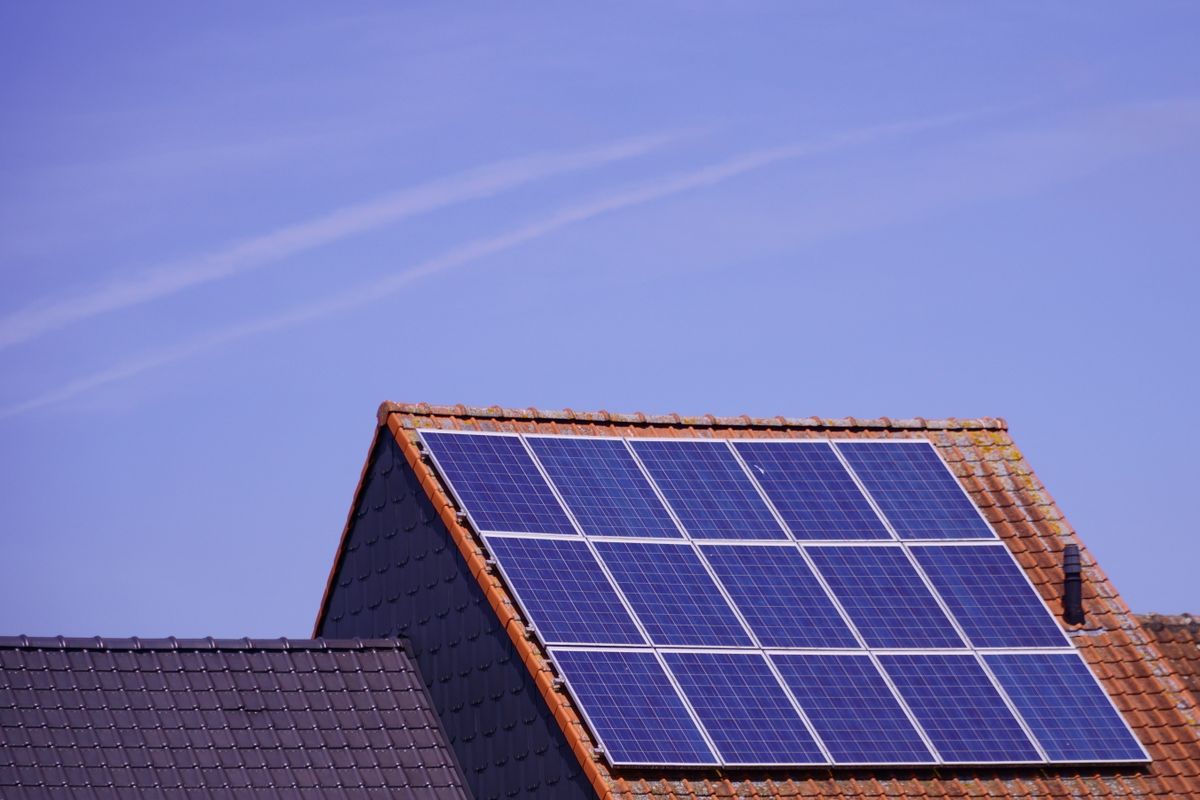
That is the case for treating panel cleaning as routine maintenance rather than a response to an obvious problem. The coating that builds on a Columbia roof is a combination of things the Midlands is known for: heavy pine pollen that blankets the whole region every spring, red-clay dust that drifts up off the roads and settles on anything flat, and the same organic film that greys shaded siding down at street level. On a sloped roof array it collects fastest along the bottom edge where the panels meet the roof and wherever the profile traps debris, and it is exactly the kind of buildup that a homeowner standing on the ground cannot see. The panels that are losing the most are often the ones that look cleanest from below.
What is actually on a Columbia panel, and what each thing does to output
Knowing what is on the glass explains why a plain hose rinse so rarely fixes it. The film is not one substance, and each component behaves differently:
- Pine and oak pollen. The yellow-green spring coating is the famous one in the Midlands, and it is also the closest thing to a simple surface issue - it rinses readily but re-lays itself over a long drop window, so a single cleaning can be followed by another coat within weeks. Pollen shades the cells unevenly and costs output for as long as it sits.
- Red-clay dust. This is the one that behaves like paint rather than dirt. The fine iron-rich clay of the Midlands dries onto the glass, and when rain re-wets it, it can bake into a thin mineral film that a hose will not lift. Clay dust is what makes a panel look lightly fogged even on a clear day.
- Bird and organic deposits. Columbia's heavy tree cover means active bird life, and the older oak and pine lots across Shandon, Forest Acres, and the Northeast side produce the classic concentrated deposits that shadow a small area hard and bake on fast in summer.
- Rooftop growth residue. On the damp, shaded roofs common across the Midlands, the algae and mildew that grey siding also seed onto the lower course of panels, leaving a film that both shades the cells and holds moisture against the glass overnight.
Each of these responds to the same correct method - deionized water, soft brushes, and low pressure - but none of them respond to the two approaches homeowners reach for first: a stiff brush and scrubbing, or a pressure washer. Both damage the glass and the panel edge seal in ways that void the warranty, which is the expensive version of a cheap problem.
The method we use, and why Columbia panels get deionized water
Panels are cleaned the way the manufacturers specify, and the reason has nothing to do with being overly cautious and everything to do with what the panel is. The glass is coated, the cells sit inside a sealed frame, and the edge seal is the panel's weak point. High pressure from a wand drives water into that seal, scratches the coating with any grit in the stream, and in the worst cases cracks the glass. Aggressive chemicals leave a residue that attracts more dust and can attack the coating over time. Neither is what you want on an investment meant to run for decades.
We use a deionized-water fed-pole system with soft brushes for Columbia installations. Deionized water has had the minerals removed, so it dries completely spot-free - critical in a climate where hard well water and mineral-laden tap water leave a white film that shades the cells almost as much as the dirt did. The soft brushes and gentle rinsing lift the pollen, clay film, bird deposits, and growth residue without touching the coating or the seal. For most Columbia installations we can do the entire job from the ground or a stable eave position, which keeps weight off the roof and off the panels themselves, because walking on panels is how frames crack and micro-cracks form in the cells. Where a roof is genuinely too steep or awkward for that, the work is done with proper fall protection - but never by stepping on the array.
What a Columbia solar cleaning visit actually involves
If you book the service, here is the honest shape of the job:
- A look at the system first. We check the panel layout, the roof pitch, and how the array is mounted, and we note how heavy the soiling is on each section. That walk decides whether the whole job can be done from the ground or whether ladders and harnesses are needed.
- A rinse that does the real work. The deionized water loosens the film, the soft brush agitates the stubborn deposits, and the rinse carries everything off without leaving mineral spots.
- A visual pass at the end. We look over the panels for any visible damage - cracks, lifted frames, worn seals - and flag anything that should go to your installer. We do not claim to be your maintenance provider; if the array needs an electrician or a replacement panel, that is a separate conversation, and we say so.
One thing we are honest about up front: we are not selling a quarterly subscription that you do not need. Some Columbia properties genuinely benefit from twice a year, and others are fine on an annual cleaning. What matters is that the panels get cleaned on a schedule that matches how fast they actually film over on your lot, and that the method never risks the warranty.
How often Columbia panels actually need it
The honest answer depends on where your array sits, and it comes down to the same factors that decide how fast any exterior in Columbia dirties:
- After the spring pollen drop. The single most valuable cleaning of the year in the Midlands is the one done once the heavy pine pollen has finished, because it is the difference between a summer of shaded cells and a summer of full output. That is the cleaning most Columbia homeowners should not skip.
- Properties under tree cover. If your roof drops into oak or pine canopy, or sits close to the Congaree where shade and bird activity are higher, the panels film over faster and a second cleaning in the fall is a reasonable call.
- Open, sunny arrays. A roof in full sun with clear ground beneath it stays cleaner longer, and an annual pass is usually enough. The tell is output: if your monitoring app shows a steady decline across the late spring and summer that is not explained by weather, the glass is the likely culprit.
That guidance mirrors the schedule professional solar-maintenance providers recommend for the Columbia metro - roughly twice a year in the heavier-pollen and heavier-canopy parts of the region, with open arrays on a lighter cadence. You can read your own system's production trend and let it tell you when the film has started to bite, which is more reliable than a calendar.
Why the garden hose is the wrong tool for a Columbia array
It is tempting to stand on the ground and hose the panels off, and on a lightly pollen-coated array that will remove some of the loose film. The reason it does not actually fix the problem is twofold. First, it does not lift the clay film, the baked-on bird deposits, or the growth residue that a soft brush and dwell time release - so the output loss that matters stays. Second, and more important in the Midlands, tap and well water are full of minerals that dry onto the glass and leave the very spotting that shades the cells. You can swap a pollen film for a mineral film and call it a wash. Deionized water is not a gimmick; it is the part that leaves the glass truly clean, and it is exactly what a hose cannot deliver.
Pairing panel cleaning with the rest of the Columbia exterior
Most Columbia homes that have solar panels also have the other things the Midlands climate attacks, and panel cleaning slots naturally into a broader visit. Because the panels sit on the roof, and the roof shares the array's cleaning season, it often makes sense to pair the panel work with a roof cleaning so the whole roofline is addressed in one window. If the panels are on a ground-mount array near the house, the same visit can cover the house wash or the driveway and concrete while the crew is there. Bundling in this way is not about upselling - it is that the humidity and tree cover that film the panels are the same conditions working on the siding and flatwork, and handling them together keeps the whole exterior on one maintenance rhythm.
Before you book, check what your monitoring says
If you have a monitoring app or a readout on your inverter, it is worth a quick look before scheduling, for two reasons. One, it tells you whether your panel loss is actually happening - a steady, unexplained decline across the growing season is the signature of a dirty array, while a system that tracks its historical output is probably fine on a lighter schedule. Two, it gives you a before-and-after number, because the most satisfying way to confirm the cleaning worked is to watch the production trend recover in the weeks after. If the decline persists even after a clean, that is a signal for your installer rather than another cleaning, and we will point you that way instead of selling you repeat visits.
We quote solar panel cleaning in Columbia flat and up front after a look at the system, and we do it without ever using a pressure washer on the panels or stepping on them. If you would like the array handled, tell us the roof situation and whether the panels are on the house or a ground mount, and we will price the whole job - panels alone or panels alongside the roof, house, and flatwork - on one honest number.