Red clay, iron water, and why Midlands driveways stain differently
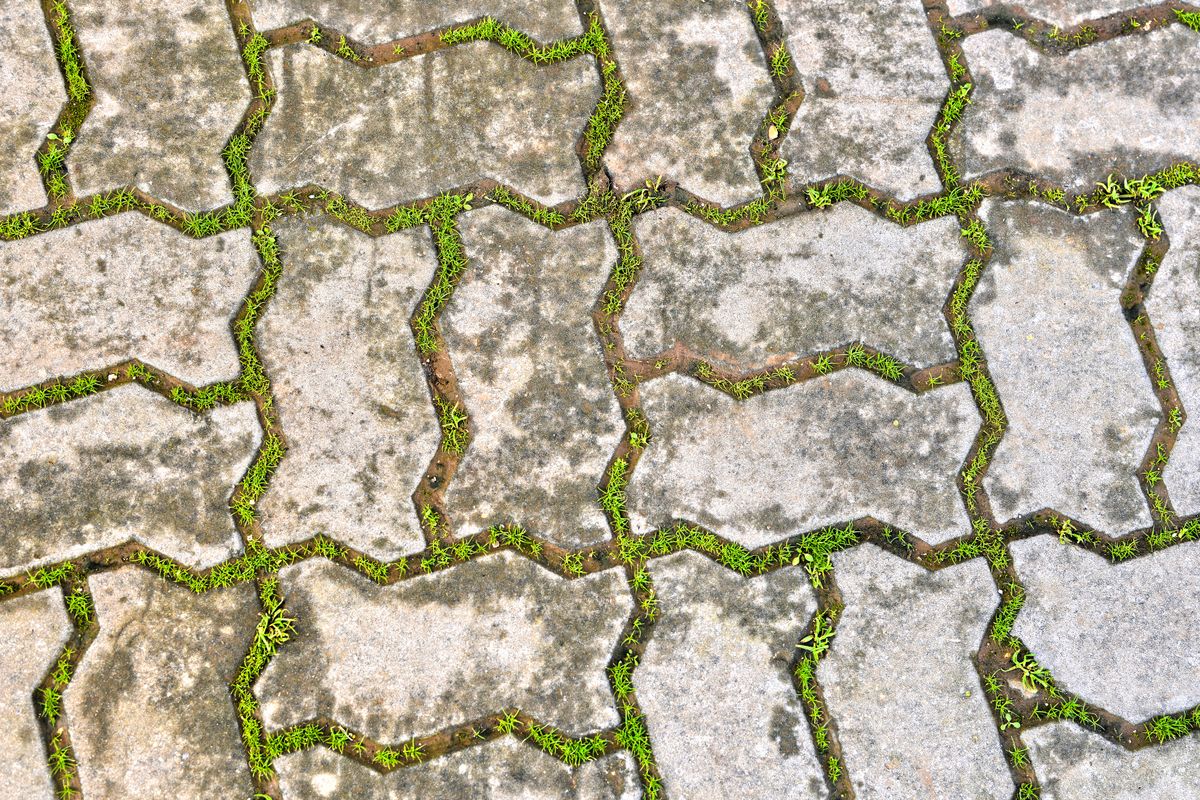
If you have lived in the Columbia area for more than one summer you already know the two stains that define concrete here, even if nobody ever named them for you. The first is red clay. The Midlands sit right where the Sandhills meet the Piedmont, and the soil that gets tracked onto a driveway after a July thunderstorm is not brown dirt - it is fine iron-rich clay that works its way into the pores of the slab and sets like a dye. Rinsing it with a garden hose moves the loose top layer and leaves the stain. The second is irrigation rust: orange fans across sidewalks, brick and the lower two feet of siding, thrown by well water or by a sprinkler head that has been hitting the same spot at 5 a.m. for three years. Those two problems look similar from the street and they are not the same job. Clay responds to surface cleaning and the right detergent dwell time. Rust does not respond to pressure at all - it needs an oxalic treatment, and anyone who tries to blast it off is going to etch your concrete and leave the orange behind.
That distinction matters more than the horsepower on the trailer. We would rather look at a driveway in Forest Acres or Irmo and tell you which of the two you actually have than quote a number over the phone and discover it on the day.
The north wall problem in Richland and Lexington County
Almost every house-washing call we take starts with somebody describing one side of their home. The front looks fine, they say, but the side facing the neighbor has gone grey-green and streaky. There is nothing wrong with that wall. It is the side that never gets full sun, and in a climate that runs humid from May into October it stays damp for hours longer each morning than the elevations that dry out by nine. Gloeocapsa magma - the algae responsible for the dark streaking on roofs - and the ordinary mildew that greys vinyl both need moisture and shade, and a north or heavily treed elevation gives them both. Under the canopy oaks in Shandon or Heathwood, or anywhere backing up to a wooded lot in Blythewood, it is usually the whole shaded half of the house.
The practical consequence is that washing only the front is a false economy. The shaded side is where the organic growth actually lives, and if it is left alone it recolonizes the clean elevations within a season or two. When we quote a house wash we quote the whole envelope for that reason, and we say so plainly rather than letting a cheap front-only number look like a bargain.
Pressure is the wrong lever on most Columbia siding
The name of the trade is misleading. On vinyl, on painted fiber cement, on stucco and on soft brick mortar, high pressure is the thing most likely to cause damage - forced water behind a lap joint, a chalked painted surface stripped unevenly, mortar washed out of an older Elmwood Park or Waverly wall. What actually kills algae and mildew is a properly mixed cleaning solution given time to work, followed by a low-pressure rinse. That is soft washing, and on residential exteriors it is our default, not an upsell.
Pressure has its place. Concrete, pavers, and most hardscape want a surface cleaner running real pressure, because you are lifting embedded soil out of a porous material rather than killing something growing on it. The skill is not in owning a big machine. It is in knowing which of the two surfaces you are standing in front of, and being willing to dial down when the answer is chemistry rather than force.
Pollen season, and why an April wash is not wasted money
Every spring somebody tells us they will wait until the pollen is finished. It is a reasonable instinct and it is usually the wrong call. The yellow pine pollen that coats Columbia in late March and April is cosmetic and mostly rinses away. The problem is what it does underneath: pollen holds moisture against siding and screens, and on a shaded elevation that extra dampness is exactly what mildew needs to get established before summer. Washing after the heaviest fall - typically mid to late April here - clears the pollen and the early growth in the same visit, and the surface goes into the humid months clean rather than seeded.
The other honest answer is that timing depends on why you are washing. If you are selling, wash close to listing photos. If you are maintaining, once a year on the house and once a year on the flatwork keeps the Midlands climate from ever getting a head start. Twice a year is genuinely unnecessary on most properties and we will tell you so.
Lake Murray docks, decks, and what wood actually needs
Wood is where we see the most damage done by well-meaning owners with a rented machine. A dock at Lake Murray, a deck in Chapin or Lexington, a set of pressure-treated stairs - all of them are soft, and all of them will show fuzzed grain and permanent wand marks if you hit them at the pressure that a driveway wants. Wood should be cleaned with a low-pressure application, a brightener where the tannins have gone dark, and an even rinse that does not chase the grain.
There is also a sequencing point worth knowing before you spend anything. If you intend to seal or stain, the cleaning has to come first and the wood has to dry fully - usually two to three clear days in our humidity, not the twenty-four hours the can suggests. Sealing over damp or dirty wood traps the problem underneath and you pay for the whole job twice.
What a Columbia pressure washing quote should tell you
A quote worth accepting names the surfaces, the method for each, and one price. If it does not distinguish between the soft wash on the house and the surface clean on the driveway, whoever wrote it has not thought about your property specifically. Ask what happens to the runoff around plantings, ask whether the price includes the shaded elevations and the eaves, and ask whether rust or clay is being treated or simply rinsed. Those three questions separate a real assessment from a number picked off a square-footage chart.
We give flat pricing before we start because surprises on the invoice are the complaint we hear most about the trade generally. If the property turns out to be more work than the photo suggested, that is our estimating error, not a change order.
When washing is not the answer
Sometimes the honest read is that cleaning will not fix what you are looking at. Failed sealer that has clouded and is peeling off a driveway has to come off entirely before the slab can look right. An oil stain that has been soaking into concrete for several years may lighten substantially and never disappear. Paint that is already lifting on a soffit will lift further under any rinse, gentle or not. Efflorescence on brick - the white bloom that comes from moisture moving through masonry - is a water problem, and washing it away without addressing the source just resets the clock.
We would rather say that at the quote than take the money and leave you disappointed with a result nobody could have delivered. That is the whole model here: an honest look at the property, one clear price, and a finish that still looks right when the Midlands summer comes back around to it.