West Columbia is two towns, and they clean differently
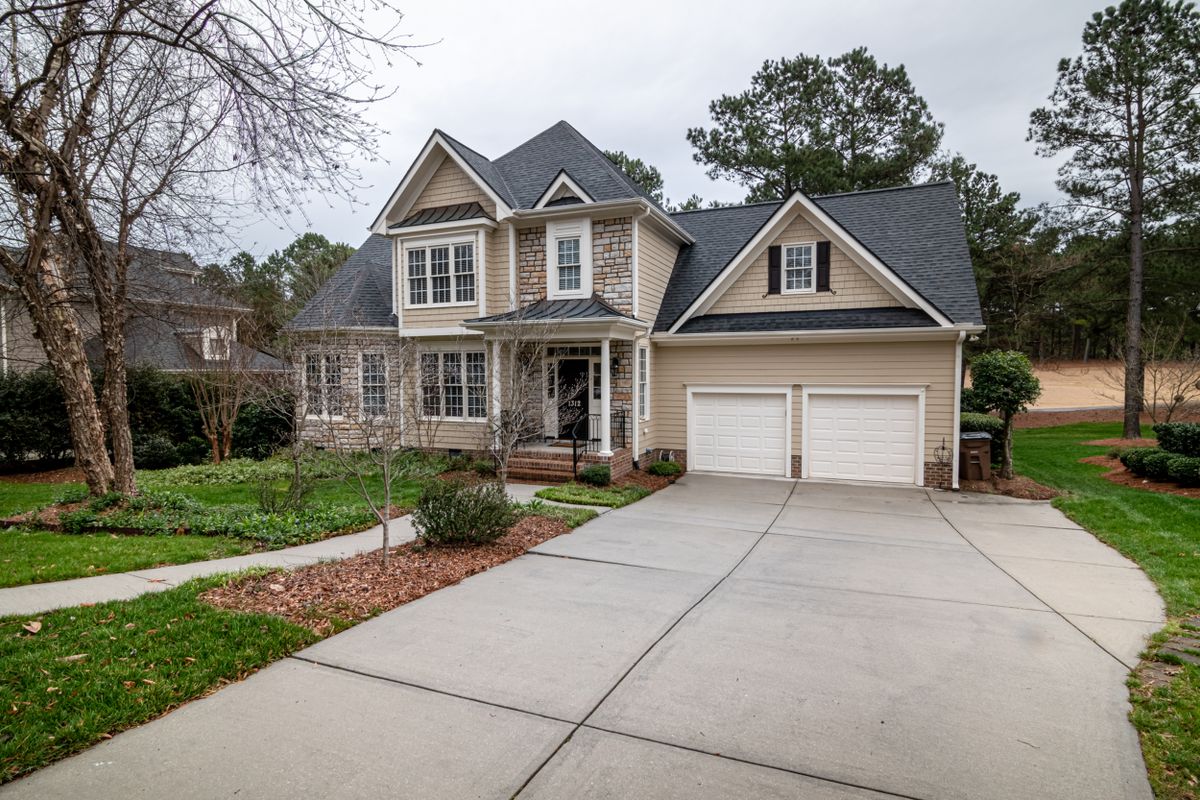
West Columbia is not one uniform stretch of suburb. It is the historic core along State Street - the old Brookland district, chartered in 1894 and now on the National Register - and it is the newer residential side that spreads toward the airport off Boston Avenue. The two halves are separated by more than a few miles of road. They are different housing stock, different shade, different soil, and they need different cleaning. A crew that treats a century-old brick storefront on State Street the same way it treats a vinyl-sided ranch near Airport High School is going to get one of the two wrong.
The historic side is the older, shadier, river-adjacent inventory: brick and painted frame, much of it a century old, sitting under mature canopy close to the Congaree. The newer side is brick ranches and vinyl on larger lots, more open sun, and more red clay from the construction that keeps filling in toward the airport. The two halves also sit at different elevations, and that matters more than most people expect. The low ground along the river holds cool, damp air overnight, so a house there wakes up wet more mornings than a place on the higher lots toward Lexington. That lingering damp is what the green film on siding, the black spotting in seams, and the dark roof streaking all feed on - and it is why the river side of West Columbia wants cleaning on a shorter cycle than the airport side does.
State Street's century-old brick and frame need chemistry, not force
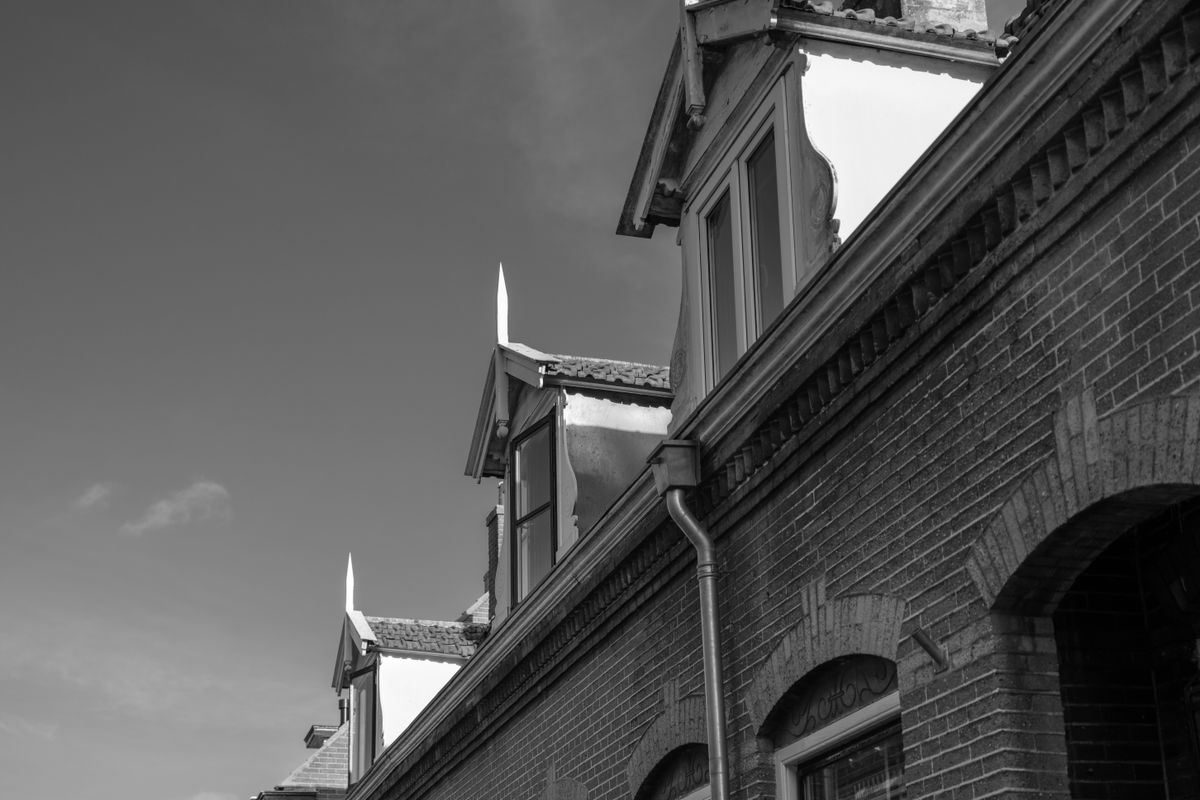
The old Brookland core is the town's most fragile inventory, and the fragility is not obvious from the sidewalk. The mortar in brick laid a hundred years ago was mixed softer and lime-rich on purpose, so that it would be the layer that gives before the brick does. Aim a high-pressure wand at an aging joint and you erode that mortar; once the joint opens, the wall drinks water at every rain, and you are funding a repointing job that the cleaning itself created. The painted frame homes carry a quieter version of the same risk. Years of Carolina sun leave the wood grain standing slightly proud and crack the paint film into fine lines that are invisible from street level; a hard stream finds those lines and pushes moisture straight into the board beneath. The damage rarely announces itself on cleaning day - the peeling shows up months later, long after the wet timber has been sitting there doing its work.
There is also a lead-paint concern on anything built before the late 1970s. Hitting a painted surface hard with water flings whatever is inside that coating out into the yard and the breeze, which is why an older painted exterior belongs to low pressure and a cleaning solution instead of a blast. The safe route through the historic core is a soft wash: solution applied at low pressure, left time to dissolve the growth at its root, then rinsed away. The flat concrete is a separate job, and that is where genuine pressure earns its place.
Red clay and river silt stain West Columbia flatwork two different ways
Two separate things stain driveways and sidewalks here, and they do not come off with the same approach. One is the living film - the green and grey biofilm that makes shaded concrete slick and comes back on a steady cycle. The other is Midlands red clay, a pigment rather than a growth. Rain carries it onto driveways and walkways, it settles into the pores of the slab, and the pale-orange tint it leaves resists plain water almost entirely. Along the low ground nearest the Congaree, a flush of river water can leave a fine silt sheen on the same surfaces that behaves much like the clay.
When you compare quotes, the useful question is which of the two a crew is actually treating. A rinse-only pass lifts the loose clay but leaves the biological film rooted, so the slab reads cleaner for a fortnight and then tints green again. Cleaning the concrete with the right solution instead removes both stains in one visit - and spares you the uneven, streaked result a bare wand produces when an operator reaches for more pressure to cover weak chemistry. On a scored or decorative surface, and down in paver joints, those streaks are effectively permanent.
The split changes which jobs a West Columbia crew faces most
Which West Columbia a property sits in shapes the work in a practical way, and the schools are a handy shorthand. Around Brookland-Cayce High, on the State Street side, the day is mostly about care: protecting century brick and painted frame, holding pressure away from soft mortar and checking paint, and staying careful around the old storefronts that give the street its character. Around Airport High, toward Boston Avenue, the day leans toward restoration and the flatwork - fresh concrete that keeps picking up construction clay, and driveways that show the difference between a rinse and a real clean within weeks.
A crew that arrives with one method and applies it everywhere is missing half the town. The useful habit is to read the neighborhood first - the shade, the soil, the age of the stock - and then match the chemistry and the pressure to the surfaces in front of you. On the river side that usually means protecting; on the airport side it usually means a heavier clean. Both matter, and both are the reason a West Columbia price that covers the whole property is a better value than a lower number that assumes every house is the same.
Picking the right season for a West Columbia wash
In West Columbia the best time to clean depends more on which half of town the house sits in than on the calendar. The airport-side lots that bake in open sun can be washed almost any month and hold the finish for a full season. The shaded places along the river are the opposite: they stay damp later into the morning, grow the same film back sooner, and reward a wash timed to land just after the pollen stops falling rather than in the middle of it.
Midlands pollen is the one timing trap worth planning around. The heavy pine and oak drop comes in late winter and early spring, and the yellow coat it leaves makes a spring wash look wasted within a couple of weeks. Waiting until the drop has thinned - usually by May - gets the river-side houses into their best state just ahead of the humid months, when growth accelerates again. For those same properties autumn is the natural second pass: having gutters cleared and the streaking beneath them handled before leaf litter and winter damp arrive keeps the season's biofilm from ever taking hold.
How often is genuinely a judgement call, and the deciding factors run more to tree cover and river proximity than to when the house was built. If you want the reasoning spelled out, our guide to washing frequency in the Midlands lists the signals to watch for, and the house washing cost breakdown gives you a local sense of the budget - so the schedule question and the price question can be settled independently.
What a thorough West Columbia visit should touch
A complete visit on a typical West Columbia property starts before the equipment is turned on. The walkaround matters most on the State Street side, where fragile details hide in plain sight: an old mortar joint that will not take a hard stream, a paint film on a frame house that has begun to check, window screens, exterior lighting, and any wood trim that has gone soft near the ground. Spotting those first is what lets a crew decide where the wand may be used freely and where the low-pressure solution should be doing the work instead.
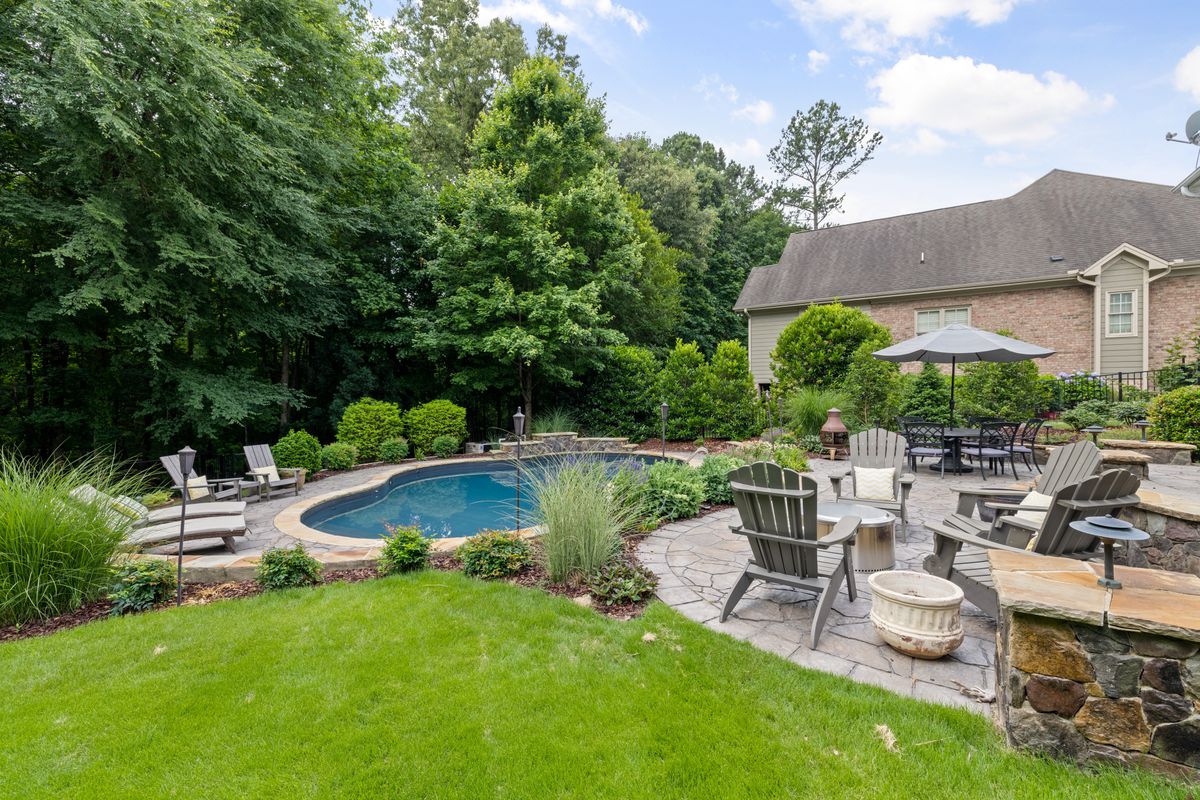
On the property itself the division of labour is fairly predictable. Roof cleaning stays gentle throughout - hard water on a shingle scours away its protective granules and voids most manufacturers' warranties, which would trade permanent damage for a brightness that lasts one season. Siding and painted trim on the older homes are soft washed rather than blasted. Driveways, sidewalks, and patios get the surface cleaner, because that is where flat-work chemistry earns its keep. Wood decks and porches take the lightest touch that still does the job - excess force raises the grain and leaves wand marks between the boards that sanding cannot remove.
Before anyone starts, settle which parts of the house will be pressured and which will be gently washed. On a proper quote these are decided surface by surface, and a good operator will explain the reasoning as the crew goes. If a bid calls for the same setting across the whole property, it is pricing a one-setting rinse rather than a genuine exterior clean - a fair question to raise before work begins, whatever the number on the page.